FP&A Stories - 🧠 5 ways to delegate every CFO must master
Hello Reader 👋March is about to kick in. And with it, my international season. Over the next few weeks, I’ll be in no less than three countries, including the US. Workshops, client sessions, conferences. Different cultures, different CFOs, same underlying challenges. And whenever my calendar starts filling up like this, one question always comes back: What am I still holding on to that I shouldn’t? Because if I try to do everything myself, March won’t be intense. It’ll be chaos. So this week, we talk about how to delegate like a CEO in FP&A (or as a CFO). So take a coffee, sit down and read FP&A Stories just like 17k other readers This week in FP&A Stories
🖖The 4 Levels of Delegation in Finance
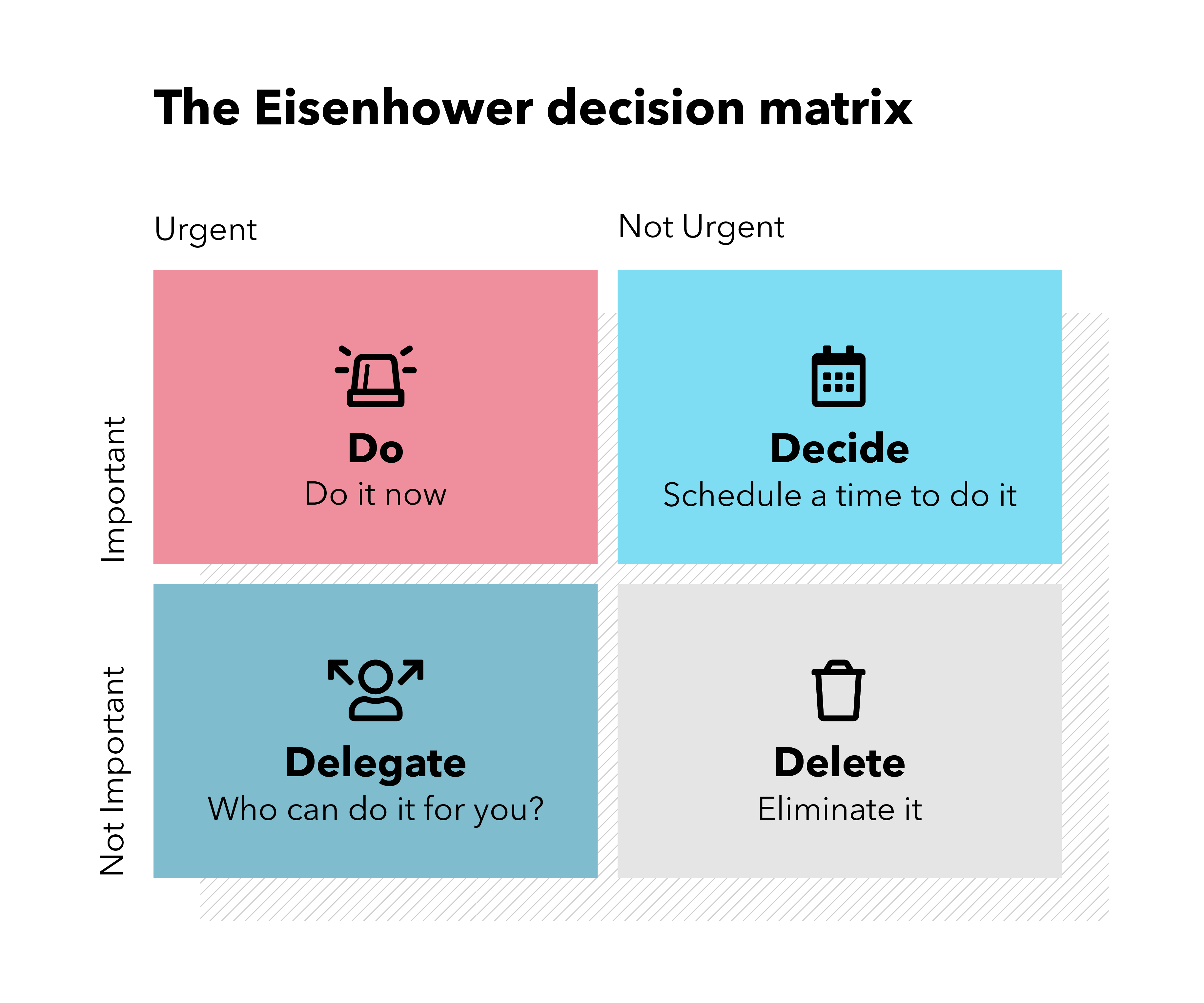
🖖The 4 Levels of Delegation in FinanceI’ve always had a hard time delegating. Not because I didn’t have a team, but because I wanted things to be perfect — done my way, structured my way, explained my way. In FP&A, that mindset is easy to justify. The forecast model has nuances. The board slides require precision. You know where the sensitivities are buried and how one poorly phrased explanation can derail a discussion. If you’ve worked in FP&A long enough, you recognise the internal dialogue: it’s just faster if I do it myself. Here’s what I learned the hard way. There is no “one true way” of thinking. I once had one of my controllers present an analysis that I would normally have prepared. He structured it differently than I would have, selected slightly different drivers, and framed the recommendation in another sequence. It wasn’t how I would have done it. And yet he reached the same conclusion. The business understood it. A clear decision was made. The impact was there. That was the uncomfortable moment. My way wasn’t the only way; it was simply one way. And as long as I insisted on it being the standard, I was guaranteeing that I would remain the bottleneck. Let’s break this down in a practical way. 1️⃣Eliminate – Automate – Delegate (Applied to FP&A)Before you delegate, ask three questions (based on Eisenhower Matrix, only changing the schedule by automating):
Eliminate I’ve seen FP&A teams spending 30% of their time on legacy reporting no one challenges. Automate If you do something more than once, it deserves a system. Delegate And if that's something that requires your full attention, that nobody else can do...well DO IT 2️⃣ The 4 Levels of Delegation in FinanceMost finance leaders delegate at the lowest level. Level 1 – By Task This creates dependency. Every month, they come back to you. Level 2 – By Process It's better but still procedural. Level 3 – By Goal Now you’re delegating an outcome, give more autonomy. Level 4 – By Anticipation That’s CFO-level delegation. No one starts at Level 4. You build it with context, feedback, and trust. And yes, things will not look exactly like your slides. That’s the point. 3️⃣ Vision – Commitment – Execution (For FP&A Teams)When I delegate properly, I align on three things: Vision Commitment Execution Most delegation fails because we jump straight to execution. Finance people love execution. But without vision, you get activity without impact. 4️⃣ 10-80-10 in FP&AThis framework changed the way I lead. First 10%: Middle 80%: Last 10%: I’m still involved. But I’m not doing 100% of the work anymore. And I'm going to tell you something I found difficult to believe in my early days as leader: 80% done by someone else is often more than good enough. 5️⃣ Delegating to AI and automationWhat makes today different is that delegation is no longer limited to your headcount. For most of our careers, leverage meant hiring. If you couldn’t find the right analyst in the market, you carried the workload yourself. That constraint is now weaker than it has ever been. With automation tools and AI, you can delegate parts of forecasting, variance analysis, board commentary, and scenario drafting without adding a single person to your team. That is a structural shift for FP&A. The key is to delegate outcomes, not tasks. If you say, “Summarise these numbers,” you get a summary. By now, you should know that the quality of your prompt will change everything to the result you receive. But beware: AI gives you speed and structure, but you still provide judgment. And that is an opportunity finance leaders should not ignore. Final Thought The real test of leadership in FP&A is whether the business still makes strong decisions when you are not in the room. If every forecast, every board slide, and every risk assessment has to pass through you, you are creating a personal dependency. You don't lower your standards by delegating. Building capability so that insight, judgment, and ownership exist beyond your desk is your legacy. If this resonates, hit reply and tell me what you are still holding on to that your team could already own. I read every message and reply to all of them. That's a wrap for this week See you next week! P.S. After 17 years in FP&A, Consulting and Leadership, I’ve coached and trained finance teams across industries, from consulting and manufacturing to tech, media, and global logistics. If you want to sharpen your own storytelling skills or bring this work into your team, here are a 3 ways can work together:
If you're unsure which option fits best, reply to this email. I’ll point you in the right direction. |