FP&A Stories - 👕 If your headline doesn’t fit on a T-shirt, it’s not a BIG IDEA
Hello Reader 👋January flew by faster than expected. I had one of those moments recently where you look at the calendar and realise it’s already February, and you’re not quite sure how that happened. January was packed: new experiences, new conversations, new work. So packed that I didn’t even have time to properly think about 2026. But I did spend time on my objectives for the year. And one of them was very clear: I want to be more present (live webinar coming) In these recent live conversations with CFOs, a topic came often: when they compare their internal FP&A work with what consultants bring to the table, there’s one thing they consistently miss: the headline. Not clear enough, not actionable, not impactful. In brief, it could be better. So this week, we’re talking about why your headline must fit on a T-shirt So take a coffee, sit down and read FP&A Stories just like 20k other readers. This week in FP&A Stories
👕 Why your Big Idea must fit on a T-shirt
🎥 Coming up - From reporting to influencing decisions (live masterclass)
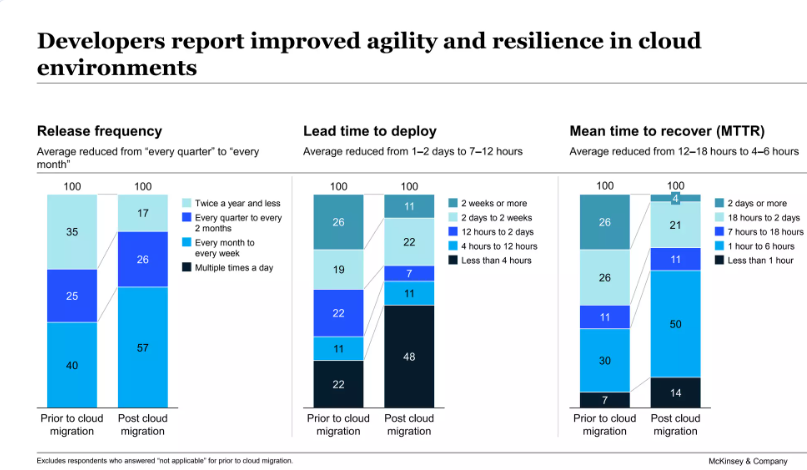
👕 Why your Big Idea must fit on a T-shirtIn FP&A, we’re trained to be precise (and even more if we went through auditing or accounting) It itches us when something we noticed is not part of what we report, so we want to say everything. And so, one thing that's blocking is basically the title of our slides: if we can't choose, we just use a generic title like "P&L MM/YYYY" or "Revenues Analysis Q1 2026". The problem with that is that your "title" is compared to what big-shot consulting firms do
See the difference? By reading the title, you already know what it's going to be about and the "So What". Why? Because today people expect headlines, and that's different from a title. A headline is a decision lens: It tells the room what matters most before anyone looks at the rest of your slide. What we should expect from a headlineA good FP&A headline does 3 things at once.
If your audience finishes reading the headline and still doesn’t know why the slide exists, the slide has already failed, no matter how good the analysis underneath is. At a minimum, a strong FP&A headline is an active sentence. That means:
“Revenue pressure in Q1” is not a headline. When you force yourself into a subject, a verb, and a complement, something interesting happens. You’re no longer describing the slide. You’re making a claim. The ideal length (this is where the T-shirt rule applies)Here’s the simple test. If your headline:
If it doesn’t fit on a T-shirt, you haven’t really chosen your Big Idea yet. This has nothing to do with being catchy. It has everything to do with being clear enough to commit to one message. Different ways to formulate a strong headlineThere’s no single “right” headline format. But in practice, strong FP&A headlines tend to fall into a few categories:
As you can see, there are plenty of choices for the format. The challenge is now to choose. Final Thought Most FP&A decks don’t fail because the analysis is wrong. They fail because no one chose a message. A clear headline is not about being bold or provocative. It’s about being honest enough to say, in one sentence, what really matters. If your headline fits on a T-shirt, chances are your thinking is clear enough to guide a decision. If this resonates, hit reply and tell me what format you'll use as of tomorrow. I read every message and reply to all of them. 🎥 Coming up - From reporting to influencing decisions (live masterclass)Over the past weeks, I’ve been working on something that goes well beyond headlines. It’s about how FP&A teams evolve from reporting numbers to actually influencing decisions, step by step. Headlines are one of the earliest signals of that shift. But they sit inside a broader maturity model that explains why some finance teams are heard instantly in the room, while others struggle despite strong analysis. I’ll walk through that live very soon. I won’t say more here, because it deserves its own message. You’ll get the details on Friday. (If you're a CFO or a Finance Team Leader, you don't want to miss that) That's a wrap for this week See you next week! P.S. After 17 years in FP&A, Consulting and Leadership, I’ve coached and trained finance teams across industries, from consulting and manufacturing to tech, media, and global logistics. If you want to sharpen your own storytelling skills or bring this work into your team, here are a 3 ways can work together:
If you're unsure which option fits best, reply to this email. I’ll point you in the right direction. |